
Capturing Motion: How Slow Shutter Speed Brings Photographs to Life
One of the greatest challenges in photography is conveying movement in a still image. A photograph freezes a single moment in time, but sometimes that's exactly the problem. A runner appears suspended in mid-air, a waterfall becomes a static wall of water, and a bustling city street loses all of its energy.
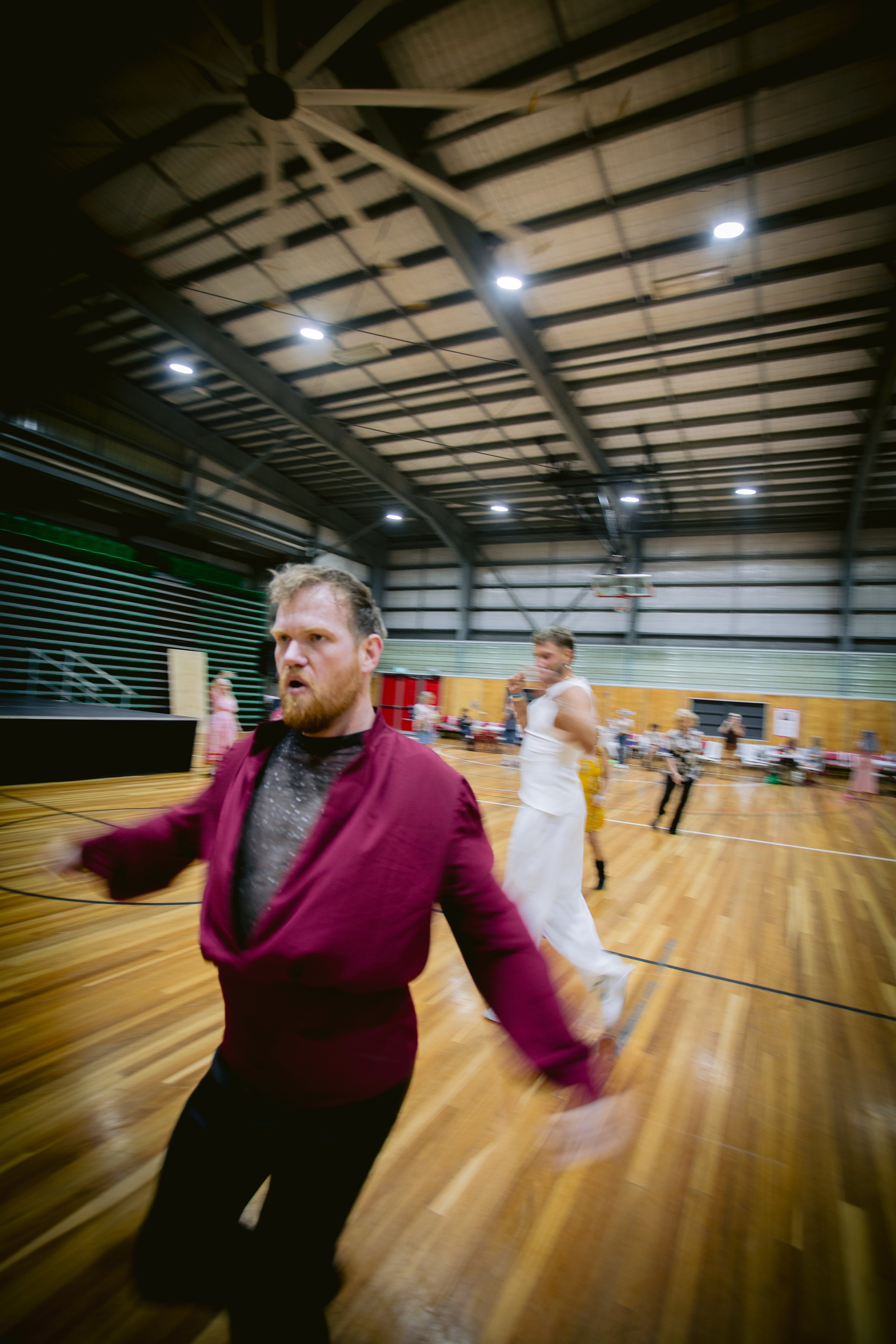
Colin Ghys & the Mackay Linedancers
This is where slow shutter speed photography comes into its own.
By intentionally leaving the camera's shutter open for longer, photographers can record movement as beautiful blur, creating images that feel dynamic, energetic and full of life.
What Is Shutter Speed?
Shutter speed simply refers to how long your camera's sensor is exposed to light. A fast shutter speed - such as 1/1000th of a second - freezes action. A slow shutter speed - perhaps 1/15th of a second, one second, or even longer - allows movement to be recorded throughout the exposure.
Instead of freezing every detail, moving subjects become streaks, trails or soft blurs that communicate motion.
Why Blur Can Be Better Than Sharp
Many new photographers are taught that sharpness is everything. While crisp images certainly have their place, perfect sharpness isn't always the most compelling way to tell a story.
Motion blur adds emotion.
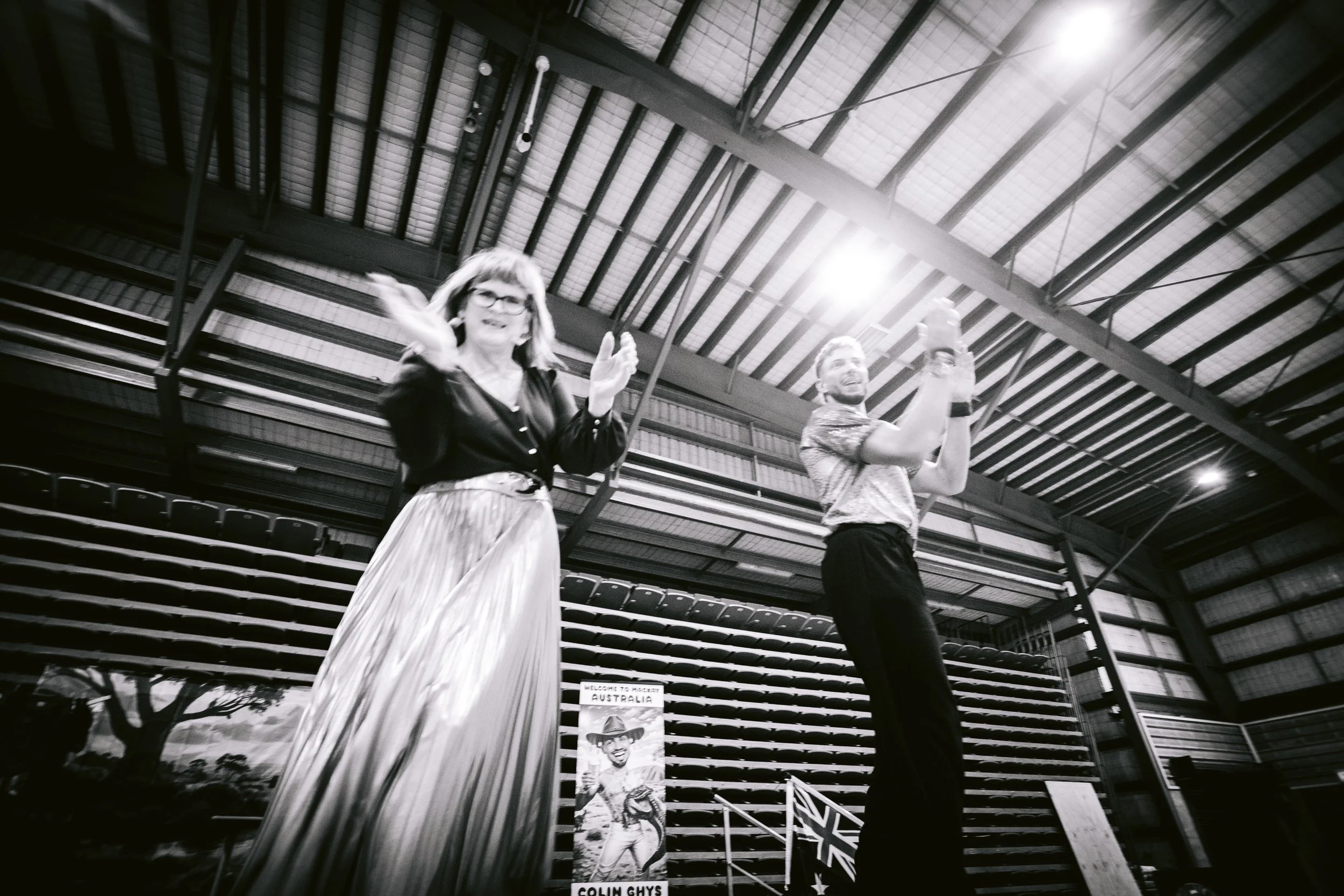
Colin Ghys & the Mackay Linedancers
Imagine standing beside the road as cyclists race past. You don't experience them as frozen statues - you see them rushing by. A slow shutter speed recreates that feeling, helping viewers experience the scene rather than simply observe it.
The same principle applies to:
Waterfalls flowing through a rainforest
Waves crashing onto the shoreline
Racing cars on a circuit
People walking through busy city streets
Carnival rides after dark
Wedding guests dancing on the dance floor
Each scene gains atmosphere when movement becomes part of the composition.
Different Ways to Use Slow Shutter Speed
Silky Water
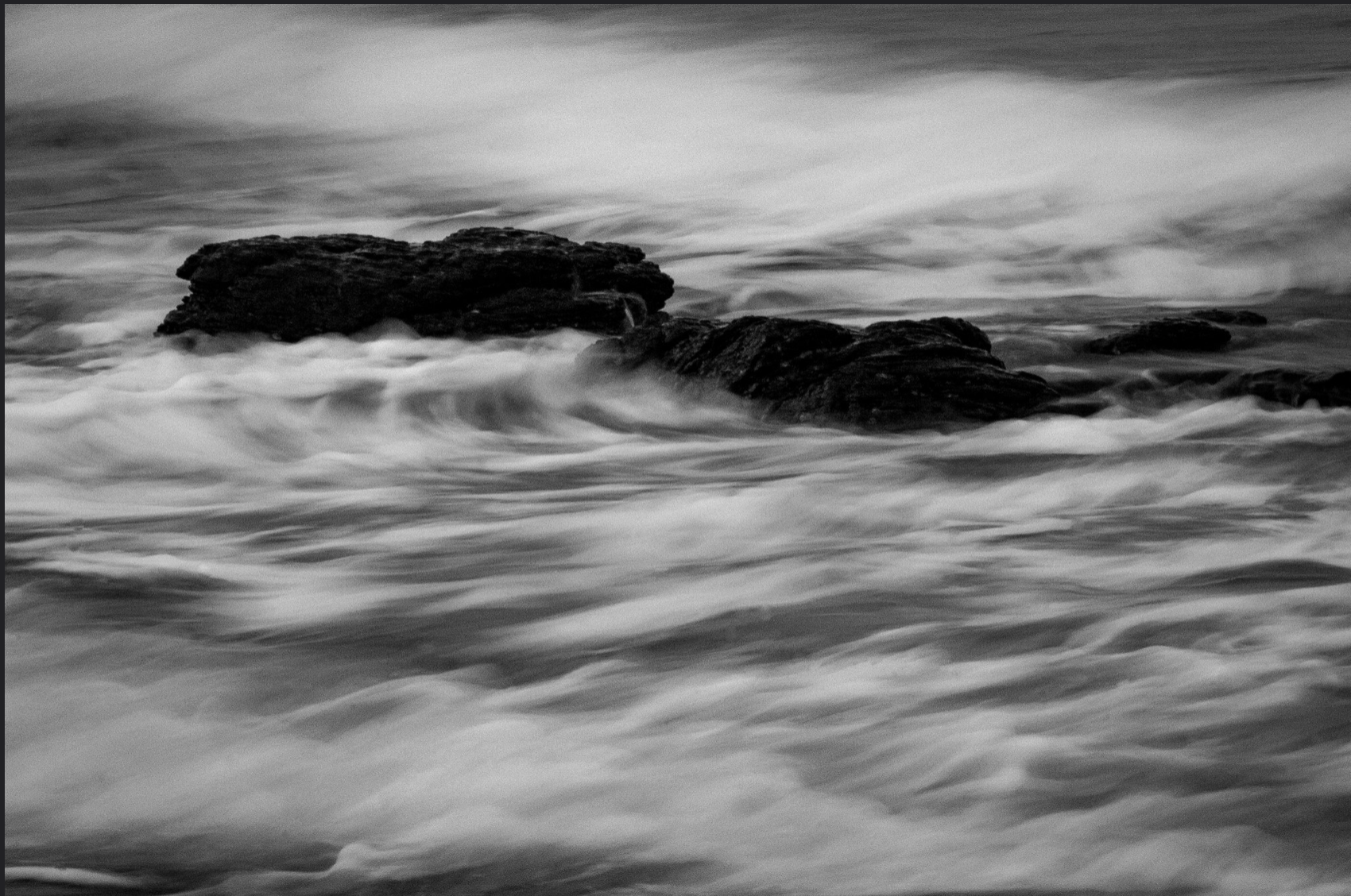
Perhaps the most recognisable use of slow shutter speed is photographing waterfalls or the ocean. Exposures of one to several seconds transform turbulent water into smooth, flowing ribbons that create a calm and peaceful mood.
Panning
Rather than keeping the camera still, photographers can move the camera with a moving subject during the exposure. The subject remains relatively sharp while the background stretches into colourful streaks of motion.
This technique works beautifully for motorsport, cyclists, runners and wildlife.
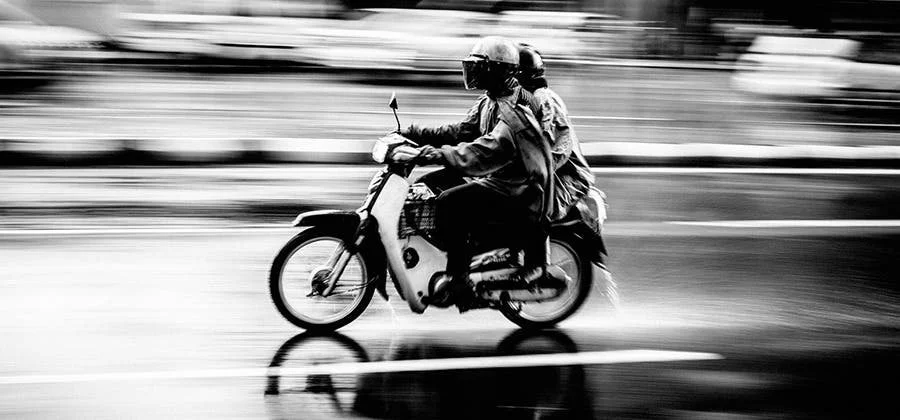
Image courtesy of Adobe USA
Light Trails
At night, vehicle headlights become flowing rivers of light. By using exposures lasting several seconds, photographers can capture patterns and movement that are invisible to the naked eye.
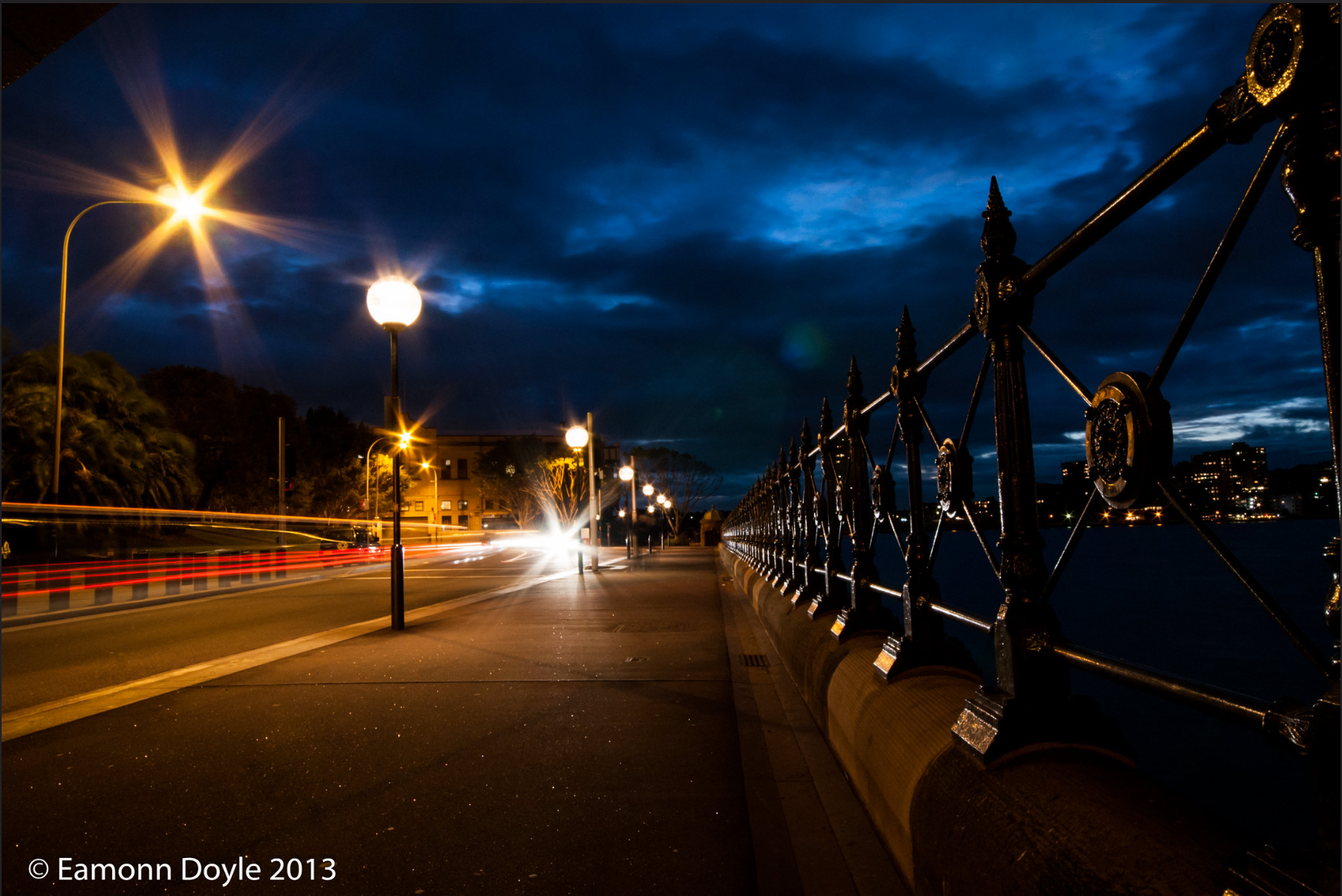
Busy Streets
Instead of capturing individual people, slow shutter speeds can show the constant flow of life through a city. The resulting images often have a cinematic quality that tells a richer story than a perfectly frozen frame.
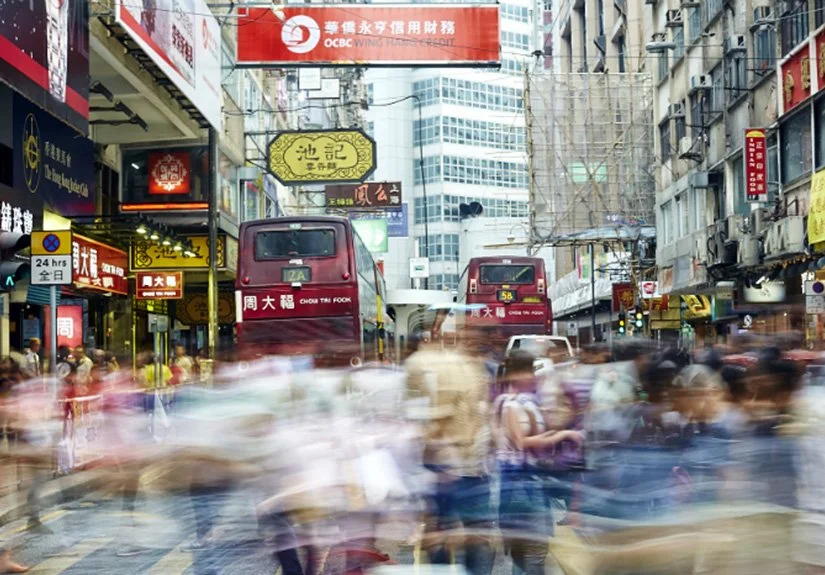
Image courtesy of Canon Hong Kong
The Technical Challenges
Slow shutter photography isn't simply about selecting a slower shutter speed.
Longer exposures allow more light into the camera, so photographers often need to compensate by lowering the ISO, using a smaller aperture, or attaching neutral density (ND) filters to reduce the amount of light entering the lens.
Keeping the camera perfectly steady is equally important. A sturdy tripod helps ensure stationary objects remain razor sharp while only the moving elements blur.
Finding the right shutter speed is often a matter of experimentation. A waterfall may look best at half a second, while panning a race car might require 1/30th of a second. Every subject moves differently.
When to Freeze Motion Instead
Slow shutter speed isn't always the answer.
There are plenty of situations where freezing the action creates the strongest image. Wedding ceremonies, fast-moving children, wildlife, and sporting moments often benefit from sharp detail that captures a split second impossible to see with the human eye.
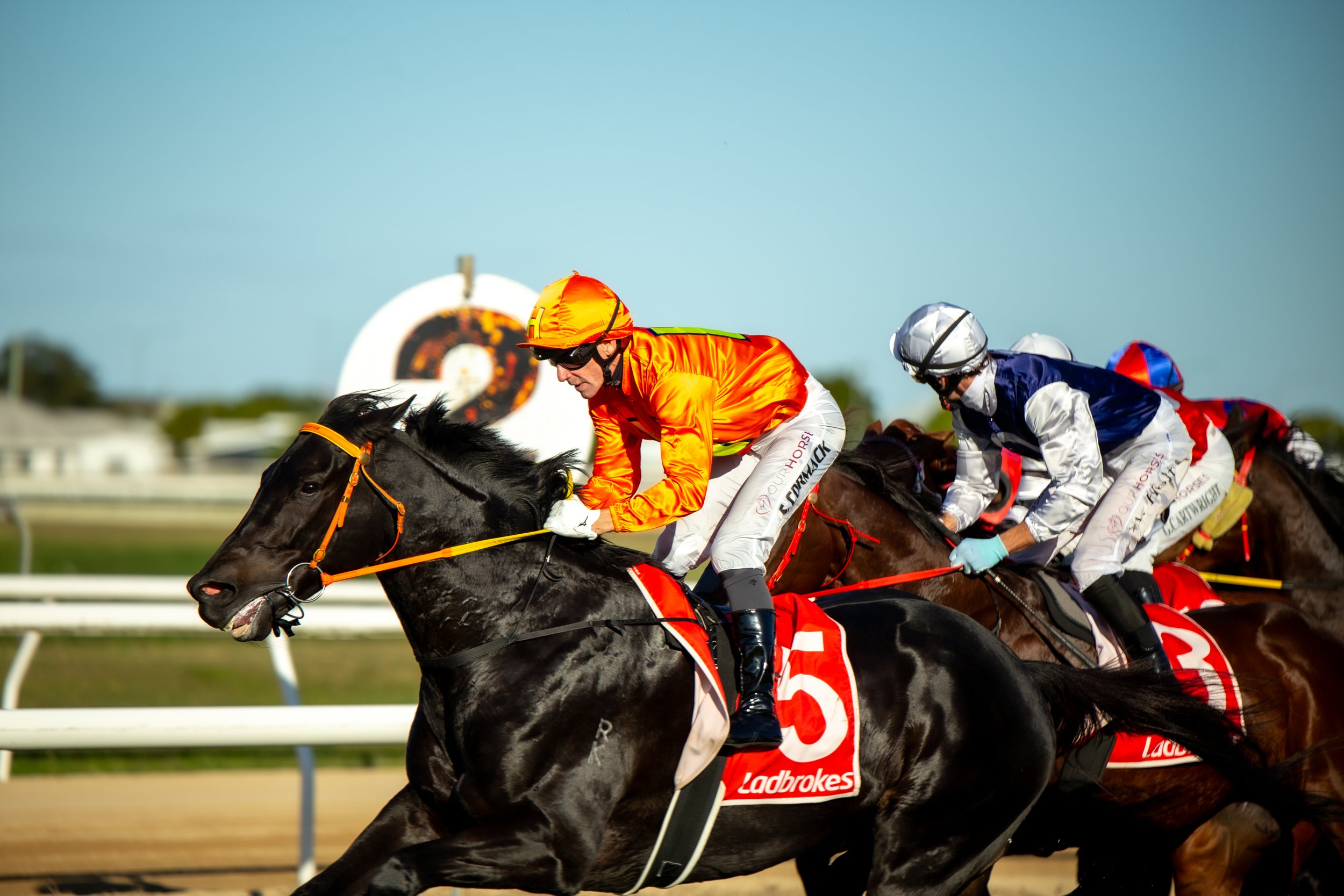
Mackay Cup 2026
The key is choosing the technique that best tells the story.
Photography Is About Intentional Choices
One of the biggest misconceptions in photography is that technical perfection always produces the best image.
Great photographers make deliberate creative decisions.
Sometimes that means freezing a single instant forever. Other times it means embracing blur to communicate speed, energy and emotion.
The next time you're out with your camera, don't automatically reach for the fastest shutter speed. Slow things down. Experiment. You might discover that allowing a little movement into your photographs creates images that feel far more alive.
Because photography isn't just about recording what a scene looked like - it's about capturing what it felt like.